
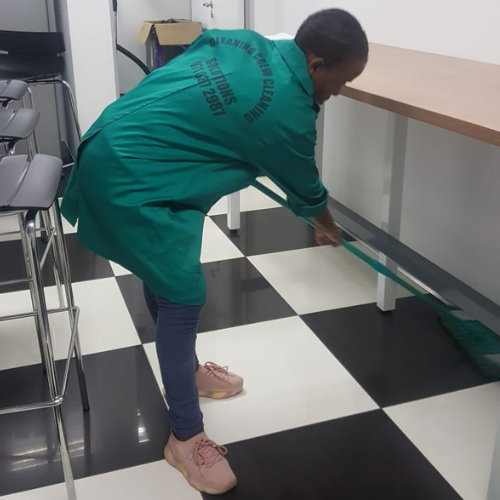
Office cleaning service in Sandton pertains bringing top class hygiene in a working environment. Sandton’s commercial area is dense, fast-paced, and highly visible. With high tenant expectations and constant foot traffic, cleanliness is not just aesthetic—it’s mandatory to health, productivity, asset preservation, and brand reputation. A well planned, regular office cleaning program tailored to Sandton’s conditions helps building owners and facility managers protect investments, satisfy tenants, and meet compliance standards.
Business benefits that compound over time
Health, hygiene, and compliance
- Reduced spread of illness through proper disinfection of high-touch points (lifts, door handles, taps, shared devices).
- Better indoor air quality with routine dust removal and HEPA-filter vacuuming, supporting respiratory health.
- Supports occupational health duties under South African OHS expectations for safe workplaces.
Productivity and employee experience
- Cleaner environments correlate with fewer sick days and improved concentration.
- Tidy, well-maintained spaces boost morale and make hybrid employees more likely to come to the office.
Tenant attraction and retention
- Immaculate lobbies, lifts, and bathrooms signal professional building management.
- Consistent quality reduces tenant complaints and churn, stabilizing occupancy.
Asset protection and lifecycle savings
- Extends the life of carpets, upholstery, flooring, and finishes by removing abrasive grit and stains before they set.
- Prevents premature HVAC wear—clean vents and filters reduce load and energy waste.
Brand and stakeholder confidence
- Clean, fresh-smelling reception areas and meeting rooms shape first impressions for clients, investors, and partners.
Sandton-specific considerations
High-density, high-traffic zones
- Busy lobbies, food courts, and shared amenities need multiple daily touch-ups, not just after-hours cleaning.
Dry winters, dusty conditions, and pollen
- Gauteng’s dry season and seasonal pollen require more frequent dusting of surfaces, blinds, skirting, vents, and light fittings.
Load shedding and continuity
- Opt for battery-powered or low-energy equipment and plan schedules that minimize disruption during outages.
Water conservation
- Adopt water-efficient methods (microfibre systems, spray-and-vac, auto-scrubbers with low-flow settings) to manage tariffs and drought cycles.
Compliance, security, and data privacy
- Align with building by-laws, safe chemical handling, and proper waste sorting.
- After-hours access needs vetted staff and clear protocols; ensure cleaners are briefed on POPIA-aligned desk and data etiquette.
Sustainability targets
- Use low-VOC, SABS-approved products and green cleaning practices to support GBCSA Green Star performance and corporate ESG goals.
What “regular” should look like: practical frequencies
Adjust by building size, traffic, and risk profile. As a baseline:
- Multiple times daily
- Restrooms: touchpoint disinfection, consumable restock, spot checks.
- Lobby/entrances/lifts: fingerprint removal, floor spot cleaning, bin checks.
- Daily
- Desks and meeting rooms: wipe-downs, bin emptying, spot disinfection of shared equipment.
- Kitchens and canteens: counters, appliances externals, sinks, splashbacks, floors.
- Floors: vacuum carpets with HEPA; damp-mop hard floors.
- Touchpoints: door handles, rails, buttons, tap levers, printer panels.
- Weekly
- Detailed desk and partition cleaning (respecting clear-desk rules).
- Glass and mirror detailing; internal windows where accessible.
- Deep clean of kitchen appliances (microwaves, fridges exterior handles/seals).
- Dusting of high surfaces, vents, and skirtings.
- Monthly/Quarterly
- Upholstery and chair cleaning; carpet stain treatment.
- Air vents and diffusers; ceiling fittings, high ledges.
- Exterior glass (frequency may be higher for prominent façades).
- Machine scrub and polish of stone/VCT floors as needed.
- Semi-annual/Annual
- Carpet deep extraction or low-moisture encapsulation.
- Strip and seal of resilient flooring (where applicable).
- Full hygiene deep-clean of restrooms and kitchens.
- Periodic pest control checks for food-adjacent areas.
Best-practice methods and materials
Microfibre systems
- Capture fine dust and reduce chemical/water use. Colour-code cloths/mops to prevent cross-contamination.
HEPA-filter vacuums and dust control
- Essential for indoor air quality, especially in carpeted offices and during dry season.
Dwell-time aware disinfection
- Use SABS-approved, NRCS-registered disinfectants and respect contact times for efficacy.
Floor care matched to material
- Correct pads, chemicals, and neutral cleaners for stone, tile, vinyl, engineered wood—avoids damage and preserves warranties.
Waste and recycling
- Segregate streams (paper, plastics, cans, glass, organics) per City of Johannesburg guidelines; label stations clearly and service them daily.
Odour management
- Prioritize source removal and ventilation over masking; use low-VOC products.
Safety and training
- Induct staff on chemical handling, PPE, spill response, signage, and ergonomics; maintain Safety Data Sheets on-site.
Selecting a reliable Sandton cleaning partner
Use a structured checklist:
- Proven experience in Grade A/A+ Sandton assets or comparable high-traffic sites.
- Service Level Agreement with clear scope, schedule, and escalation paths.
- KPIs and reporting cadence (see below).
- Vetting and supervision: background checks, uniformed staff, site manager presence.
- Compliance: OHS training, SDS availability, COID letter of good standing, public liability insurance.
- Environmental credentials: green chemicals, microfibre, HEPA vacuums, water/energy reduction initiatives.
- Continuity plans: equipment redundancy, load shedding resilience, relief staff roster.
- B-BBEE credentials and local references.
- Transparent pricing separating daily cleaning, consumables, and periodic deep cleans.
KPIs to Monitor
Cleaning quality scores from scheduled inspections. Restroom audit pass rates and response times to call-outs. Complaint volume and resolution times. ATP or fluorescence testing results for high-touch areas (if used). Indoor air quality spot checks (PM2.5/PM10) in busy zones. Consumable usage per occupant (to detect waste or shortages). Asset condition trends: carpet life, floor polish intervals, replacement deferrals.
Implementation tips for facility managers
Calibrate by occupancy patterns
- Use day porters for peaks; shift heavy tasks after-hours to reduce disruption.
Standardize zones
- Categorize areas by risk/traffic (public, shared, back-of-house, tenant) and assign frequencies accordingly.
Communicate and educate
- Share simple etiquette: clear-desk, waste segregation, kitchen resets. Small habits greatly reduce cleaning load.
Document and iterate
- Keep a living cleaning matrix, log of periodic tasks, and monthly review with your vendor.
Align with ESG and wellness
- Publish green cleaning practices and IAQ efforts in tenant newsletters and wellness certifications.
In Conclusion
In Sandton’s competitive commercial landscape, regular office cleaning is a strategic necessity—not a discretionary expense. When done right, it protects health, elevates tenant experience, preserves assets, and supports sustainability commitments. With the right schedule, methods, and partner, building managers can deliver consistently clean, high-performing spaces that reflect Sandton’s world-class business environment.