
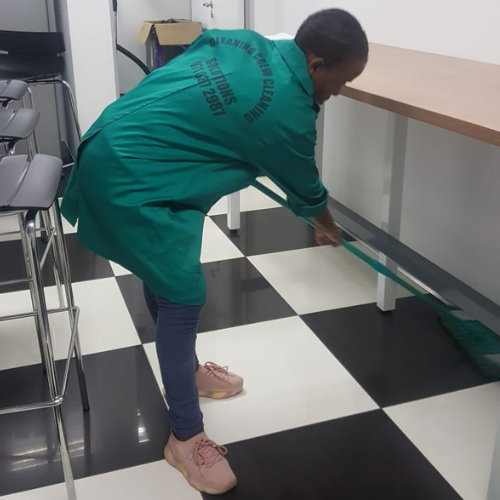
The business district of Sandton in Johannesburg is a high-density, high-traffic area. Offices here often occupy multi-storey buildings, use extensive HVAC/ventilation systems, and receive a fair amount of outdoor dust and pollution (from traffic, construction, urban sprawl).
In such a setting, a lapse in regular cleaning isn’t just cosmetic — it quickly becomes a health, productivity and reputational risk.
Health and hygiene side-effects of irregular cleaning
- Increased spread of germs, viruses & illnesses
Shared surfaces in offices — door handles, keyboards, phones, kitchen/break-areas — are hotspots for bacteria and viruses. When cleaning is irregular, these high-touch points become reservoirs of contagion.
This means more frequent colds, flu-type illnesses, foodborne illness in communal kitchens, and hence higher absenteeism.
2. Poor indoor air quality (IAQ) — dust, mould, allergens
- Dust and particulate matter settle on surfaces, in carpets, upholstery, ventilation ducts. If not cleaned, they circulate and degrade air quality. vanguardsv.com+1
- Mould and mildew may accumulate (especially in bathrooms, kitchens, around A/C vents) causing respiratory irritation, allergy exacerbation, asthma flare-ups. Shine Facility Services+1
- In Sandton offices, the influx of outdoor particles (from traffic, construction dust) means the indoor environment falls behind cleaning demands faster than in lower-pollution areas.
3. Reduced productivity, morale and cognitive performance
A dirty, cluttered or poorly maintained office sends psychological signals of neglect, reduces staff morale and distracts. It also physically creates conditions (ill-health, fatigue, brain-fog) that reduce output. CFM+1
Examples: persistent headaches, eye irritation, sinus issues, fatigue — all of which reduce focus and efficiency.
4. Pest infestations and associated risks
Infrequent cleaning of kitchens/break-rooms, overflowing bins, food remnants all invite pests (rodents, cockroaches, ants). Pests carry disease, create contamination risks and harm reputation. Clean Feeling+1
Given that many offices in Sandton have communal pantry areas, and staff may bring food to work, the risk is real if cleaning is neglected.
5. Structural/assets damage & cost escalation
When cleaning is deferred, dirt and grime accumulate on carpets, flooring, furniture, HVAC filters. Over time this accelerates wear and tear, reduces lifespan of assets, increases maintenance/repair costs.
In the Sandton context: costly office fit-outs, high-end furnishings, and premium buildings mean neglecting cleaning can quickly become an expensive error.
6. Negative impression on clients/visitors and brand image
Offices in premium locations like Sandton often host clients, investors, and guests. A visibly unclean or poorly maintained office sends the wrong signal — lack of attention to detail, cut-corners, lower professionalism. atlasfacilities.com
This may result in lost business or reputational damage.
Specific risks in Sandton / Johannesburg context
- Dust & particulate matter: Sandton has heavy vehicle traffic, construction and urban pollution; so the intake of outdoor dust into buildings is higher. If cleaning (especially HVAC maintenance, air-duct cleaning) is not regular, indoor conditions degrade faster.
- Humidity and climate: Johannesburg’s climate can include rainy spells; moisture ingress or humidity can lead to mold growth if bathrooms or damp areas are not cleaned and monitored.
- Building maintenance expectations: Many offices in Sandton are premium grade; tenants expect high standards. Irregular cleaning may stand out more compared to lower-grade offices.
- Labour & cleaning sector challenges: In South Africa there may be challenges of staffing, training, oversight in cleaning operations; irregular cleaning may reflect deeper management issues.
Consequences (short-term & long-term)
Short-term
- More sick days, staff off work.
- Complaints of discomfort: coughing, sneezing, itchy eyes, fatigue.
- Slower work output, lower focus.
- Minor pest sightings.
Long-term
- Chronic health issues (for sensitive staff): asthma flare-ups, respiratory conditions. vanguardsv.com+1
- Higher maintenance/repair bills (e.g., HVAC breakdowns, carpet replacements).
- Employee turnover (as staff perceive poor conditions).
- Damage to brand, client relationships.
- Potential legal or compliance risks around occupational health & safety.
What companies in Sandton can do to mitigate these risks
- Set and enforce a regular cleaning schedule, covering daily (high-touch surfaces), weekly (floors, upholstery), monthly/quarterly (deep clean carpets, HVAC filters). Clean Feeling
- Monitor indoor air quality: check ventilation, filter changes, dust build-up.
- Maintain kitchens, break-rooms, bathrooms with special attention.
- Encourage staff hygiene: hand‐washing, wipe down personal work-areas.
- Invest in training for cleaning staff, and hold the service provider accountable with checklists and audits.
- Choose cleaning products and methods appropriate to local environment (e.g., dust control).
- Include cleaning & maintenance in the office budget as a strategic investment, not optional cost-cutting.
Conclusion
In Sandton, where offices are high-value, staff are pressured to perform, and visitors are frequent, irregular office cleaning is more than a housekeeping oversight — it has measurable implications for health, productivity, cost and reputation. By treating cleaning as a core operational function rather than a cosmetic afterthought, organisations can protect their people and safeguard their business.